Featured
Excitement About Ongoing Support Including Community Resources
Table of Contents
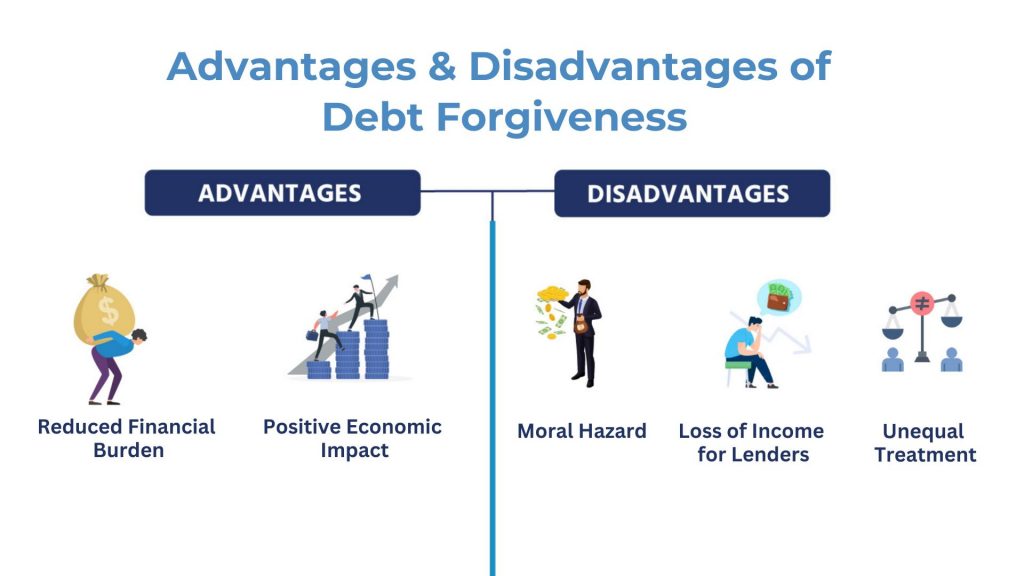
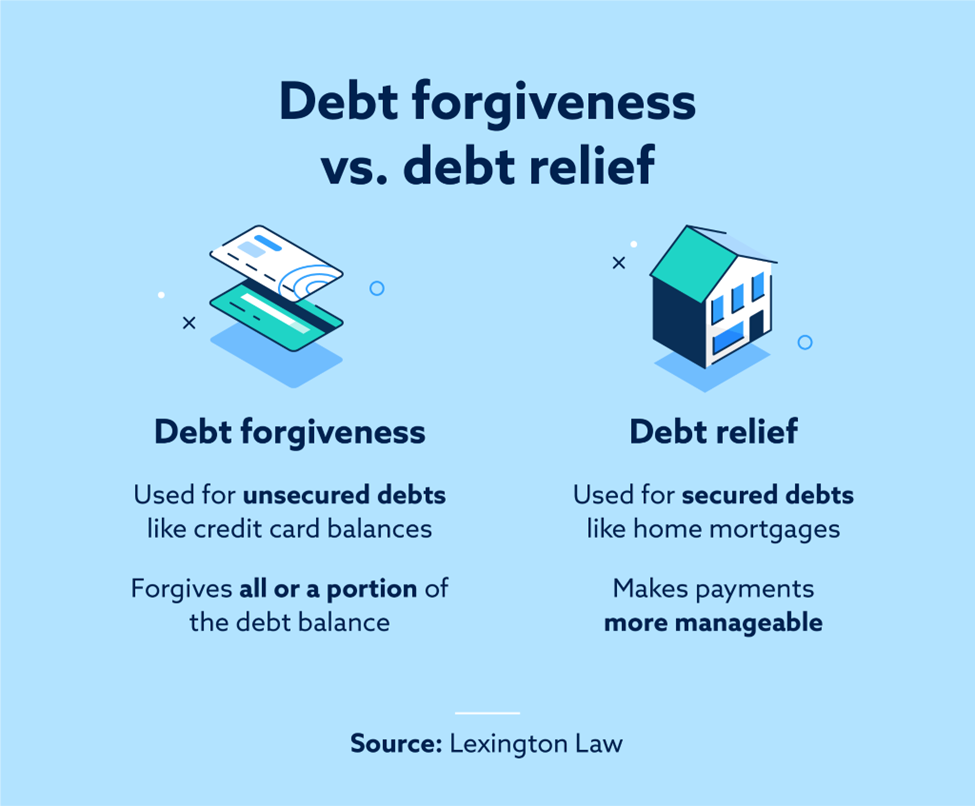
That releases up cash in the brief term, and you may have 3 to 4 years to conserve toward the negotiation amount. Very damaging to credit report, mainly because of missed repayments and a negative "resolved" mark that can stay on your credit history report for as much as seven yearsMay be just option if other choices (debt loan consolidation, equilibrium transfer credit rating cards, debt mercy) aren't possibleTypically calls for a cost to the 3rd party, which can counter some or every one of the financial savings from debt settlementMay assist you stay clear of personal bankruptcy if you've missed out on several paymentsNot all creditors collaborate with financial obligation negotiation companies Financial obligation forgiveness might be best for you if you are experiencing a monetary difficulty that makes it almost difficult to pay for your financial obligation equilibriums.
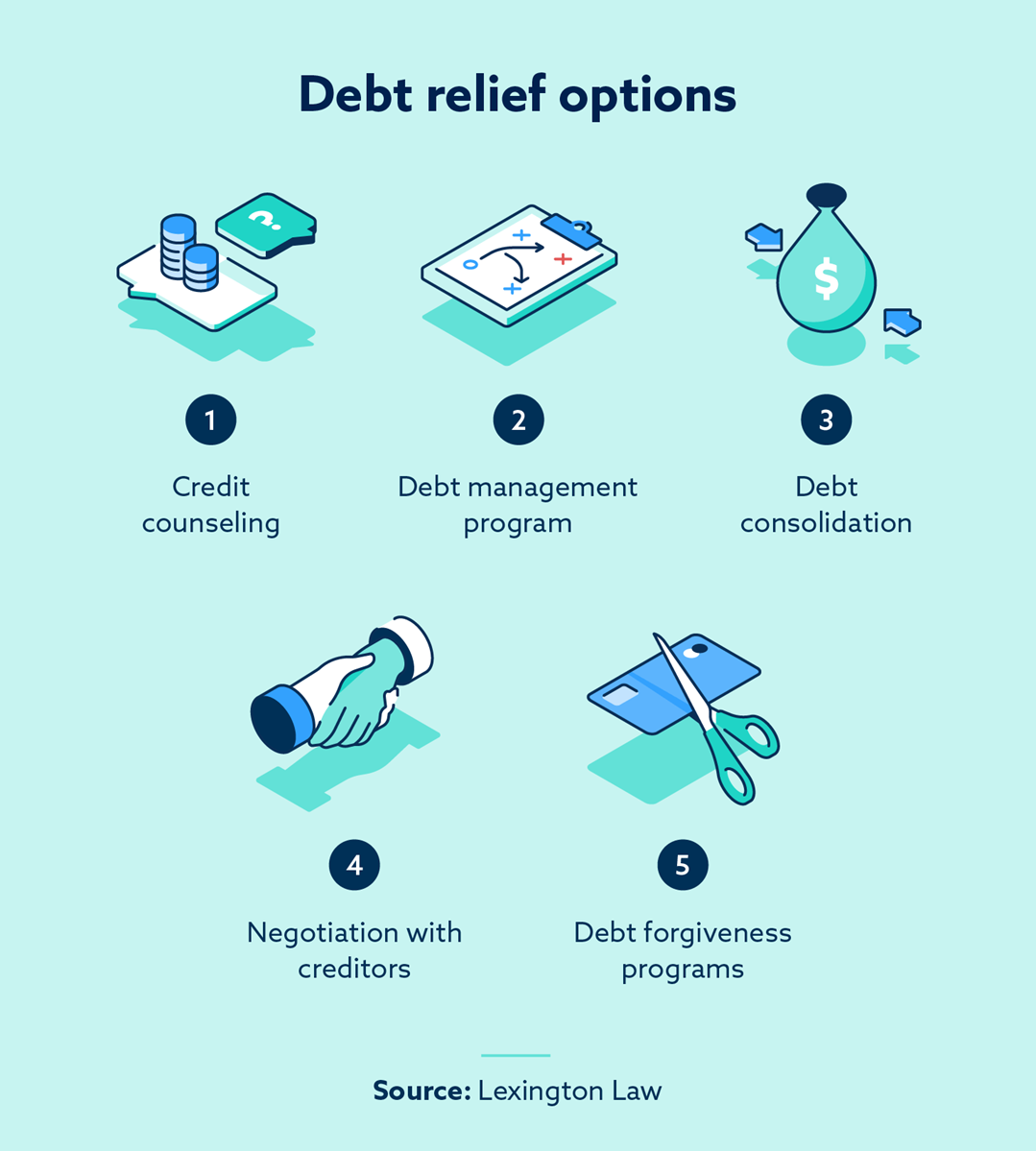
With a DMP, you make one month-to-month repayment to the credit report counseling company. Those funds are then dispersed to lenders of your unsecured financial obligations, such as credit rating cards and installment lendings. The firm deals with your creditors to reduce rate of interest or forgo costs, however some financial institutions may refuse such concessions.
A debt loan consolidation lending combines your eligible financial obligations into one new funding. It can help you pay down financial debt if you're able to safeguard a financing rate that's reduced than the ordinary price of the accounts you're consolidating. You have to abstain from racking up debt on those newly gotten rid of accounts or your financial debt can grow also higher.
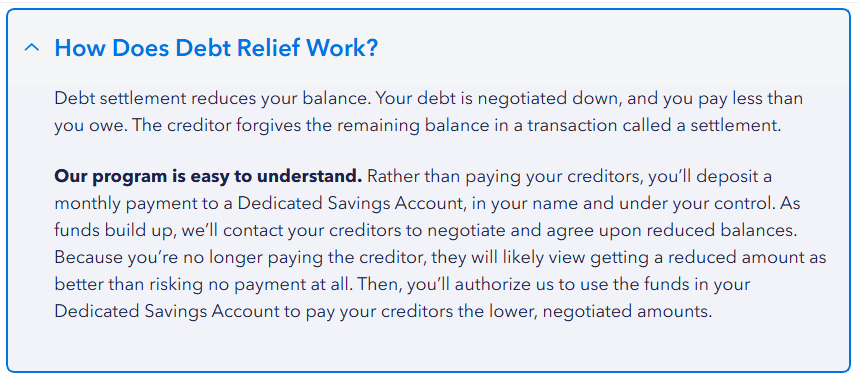
That offers you lots of time to remove or substantially lower your balance while making interest-free repayments.
Not known Factual Statements About Lasting Consequences of Personal Credit History
You might need it if your creditor or a collection company ever before tries to collect on the debt in the future. The letter can verify you do not owe what the debt collector's records reveal. Yes, in the majority of instances, the internal revenue service thinks about forgiven debt as gross income. When a loan provider forgives $600 or more, they are required to send you Type 1099-C.
Financial obligation mercy or settlement nearly constantly harms your credit score. Anytime you work out a financial obligation for much less than you owe, it might appear as "cleared up" on your credit scores report and affect your credit report for 7 years from the date of settlement. Your credit can likewise drop considerably in the months causing the mercy if you fall behind on repayments.
How APFSC Differ in the Industry - Truths
This scenario typically results from underreporting income, not submitting returns on time, or discrepancies found during an Internal revenue service audit. The consequences of collecting tax debt are major and can include tax obligation liens, which give the IRS a lawful claim to your residential or commercial property as safety and security for the financial obligation.
Higher rate of interest on available credit report. Salaries and Financial institution Accounts internal revenue service can levy (confiscate) incomes and bank accounts to please the debt. Lowered revenue and disruption of crucial financial processes. Home Seizure In severe instances, the IRS can confiscate and sell residential property to cover the debt. Loss of beneficial properties and potential displacement.
Social Preconception Dealing with legal activity from the Internal revenue service can lug social stigma. Work Opportunities A poor credit scores rating due to tire financial obligation can restrict employment opportunities. Government Advantages Tax obligation financial debt might affect eligibility for government benefits, such as Social Security and Medicaid.
Immediate Advice Following Bankruptcy Can Be Fun For Everyone
The OIC considers a number of variables, including the taxpayer's earnings, expenses, asset equity, and ability to pay. Successfully working out an OIC can be complicated, needing an extensive understanding of the IRS's guidelines and a solid debate for why your offer lines up with your capacity to pay. It is necessary to keep in mind that not all applications are approved, and the procedure calls for thorough economic disclosure.
The internal revenue service analyzes your overall economic scenario, including your earnings, expenditures, possession equity, and capability to pay. You should also be existing with all filing and settlement demands and not be in an open insolvency case. The internal revenue service also considers your conformity background, examining whether you have a document of timely filing and paying taxes in previous years.
Real Stories from Debt Relief Recipients Fundamentals Explained
The application process for an Offer in Concession entails numerous in-depth steps. You need to finish and send Internal revenue service Type 656, the Offer in Compromise application, and Form 433-A (OIC), a collection details statement for people. These types need extensive economic details, consisting of details about your earnings, financial obligations, costs, and assets.
Back tax obligations, which are unsettled tax obligations from previous years, can substantially boost your total internal revenue service financial debt otherwise dealt with without delay. This financial obligation can accrue rate of interest and late payment charges, making the original quantity owed much bigger gradually. Failure to pay back taxes can result in the internal revenue service taking enforcement actions, such as issuing a tax lien or levy against your home.
It is very important to attend to back tax obligations immediately, either by paying the full quantity owed or by preparing a settlement strategy with the internal revenue service. By taking positive steps, you can stay clear of the build-up of additional interest and charges, and prevent much more hostile collection actions by the IRS.
One common reason is the idea that the taxpayer can pay the sum total either as a round figure or with a layaway plan. The internal revenue service additionally considers the taxpayer's income, expenditures, asset equity, and future earning capacity. If these variables show that the taxpayer can afford to pay greater than the provided quantity, the internal revenue service is likely to reject the offer.
The smart Trick of How to Never Fall Into the Same Patterns After Debt Relief That Nobody is Talking About
Dealing with IRS financial debt can be complex and daunting. Tax professionals, such as CPAs, tax obligation attorneys, or enlisted representatives, can give indispensable aid.

Table of Contents
Latest Posts
The Ultimate Guide To Initial Assessment and What to Bring
:max_bytes(150000):strip_icc()/debtrestructuring.asp_final-a64fcb2c01704710bc55061e4304ce7d.png)
The Buzz on Maintaining Post-How Bankruptcy Counseling Addresses Joint Debts and Co-Signers Spending Strategy That Lasts
How to Not Return to New Debt Problems After Achieve Financial Stability with Counseling : APFSC Fundamentals Explained
More
Latest Posts
The Ultimate Guide To Initial Assessment and What to Bring
The Buzz on Maintaining Post-How Bankruptcy Counseling Addresses Joint Debts and Co-Signers Spending Strategy That Lasts
How to Not Return to New Debt Problems After Achieve Financial Stability with Counseling : APFSC Fundamentals Explained